
Keeping Flavor Alive Above the Treeline
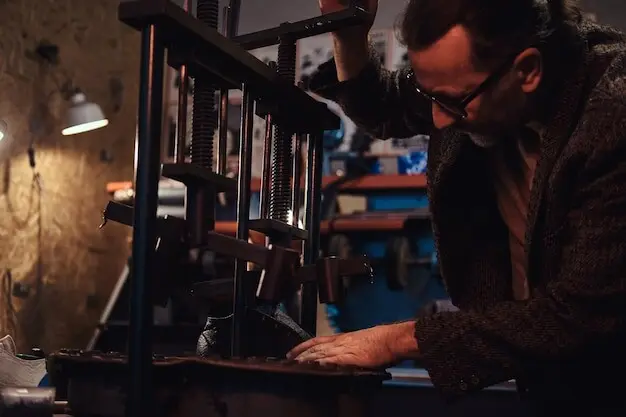
Step into the world of low‑tech food preservation in the Alps—fermentation, curing, and mountain cellars—told through practical methods, lived stories, and clear science. Learn how salt, stone, altitude, and microbes work together to safeguard harvests, nurture resilience, and build unforgettable depth of flavor you can practice at home.

Where Climate Shapes the Larder

High valleys teach frugality and celebration in the same breath. Long winters, brief summers, and thin, fragrant air reward cooks who listen to weather and wood. Here, preserving without gadgets is not nostalgia but necessity, converting fleeting abundance into quiet, nourishing reserves that taste of stone, hay, smoke, and patience.

Fermentation: Cabbage, Milk, and Mountain Microbes

Bubbling jars are quiet companions through dark seasons. Lactic acid bacteria convert sugars into tang and safety, lowering pH into a protective range while layering complexity. From shredded cabbage to still‑warm milk, careful salting, clean hands, and patience create living foods resilient to travel, weather, and time.

Speck, Bresaola, and the Gift of Thin Air
Rub venison or beef with salt, pepper, juniper, and garlic, then rest until the surface feels evenly seasoned. In higher villages, thin air hastens evaporation, so monitor weight loss rather than calendars. Aim for gradual reduction, firm but pliant slices, and a perfume that suggests pine and hearth.

Smoke, Wood, and Gentle Heat

When smoke joins the dance, choose hardwoods that grow nearby: beech, oak, or a ribbon of juniper. Keep temperatures low, allowing phenols to kiss, not smother. Short sessions, repeated calmly, build layers that echo forest paths while preserving fats from rancidity and colors from dulling away.

Salting by Touch and Season

Hands learn salinity as surely as eyes follow weather. In damper months, a firmer rub prevents sour edges; in crisp cold, lighter salting sings. Record how cuts feel day by day. When their spring slows and aromas round, you are near the window of perfect slicing.

Mountain Cellars: Stone, Darkness, and Steady Breath

A good cellar is earth’s lung: cool exhales in summer, quiet holds in winter. Stone walls buffer heat; earthen floors anchor humidity. Shelves, hooks, and vents cooperate to cradle cheeses, crocks, and hanging meats, keeping molds friendly, rinds supple, and brines lively without a single blinking diode.

Tradition, Measured and Explained

Old hands test by ear and fingertip, but a dash of science steadies beginners. Lactic fermentations thrive around 1.5–2.5% salt by weight and finish between pH 3.5 and 4.2. Cured meats stay safer as water activity drops; slow dehydration and clean habits do most of the guarding.

Acid, Salt, and Microbial Balance

Lactic acid bacteria outcompete spoilers when vegetables are submerged, oxygen stays scarce, and salt keeps crunch without cruelty. Use clean jars, weigh salt accurately, and skim surface yeasts promptly. You are nudging an ecosystem toward delicious safety, guided by taste, smell, and the easy drift of bubbles.

Water Activity, Time, and Safety

Drying lowers water activity, reducing routes for pathogens. Seek steady weight loss, not speed. Case‑hardening traps moisture inside, so ease airflow and extend time. A kitchen scale, notebook, and patience outperform most gadgets, translating numbers into confidence while your senses keep flavor and texture on course.

Good Molds, Bad Molds

White, powdery blooms often shelter meats from dryness and lend hushed aromas; green or black fuzzy colonies signal a reset and stricter airflow or salt. Learn to wipe with vinegar‑damp cloths, rotate hooks, and trust your nose. Curiosity today becomes reliable judgment when snow falls hardest.

Practice at Home, Share at the Table

A Pantry Microclimate in a City Apartment

Choose a dark cabinet far from the oven, set a ceramic bowl of water to raise humidity, and crack the door at night for gentle airflow. Thermometers reassure, but your fingertips do, too. Listen, taste, and keep a journal as jars and bundles transform patiently beside you.

Simple Tools, Big Returns

You likely own what you need: a sharp knife, clean towels, coarse salt, string, and steady shelves. Add a scale and a notebook, perhaps a pH strip for curiosity. Skill compounds daily, and the investment tastes like comfort when storms knock lines down and comfort needs keeping.

Sourcing with Care

Look for cabbages harvested late, well‑raised meats, raw or gently pasteurized milk, and spices from responsible gatherers. Buy from neighbors, ask questions, and trade surplus. Your choices support landscapes where preservation was born, and your pantry begins to mirror snowy paths, stacked wood, and brisk, generous air.
Daripexilaxipalotorapentosavi
Privacy Overview

This website uses cookies so that we can provide you with the best user experience possible. Cookie information is stored in your browser and performs functions such as recognising you when you return to our website and helping our team to understand which sections of the website you find most interesting and useful.